

The Impact of UK Horse Racing Not On: Trends and Insights
UK horse racing is known for its rich history and vibrant culture, drawing millions of spectators and bettors each year. However, the phenomenon of racing not occurring can have far-reaching effects on various aspects of the sport. In this article, we delve into why horse racing may not be on, the consequences it brings, and how enthusiasts can still engage with the sport through platforms like UK horse racing not on GamStop horse betting sites not on GamStop.
Understanding Horse Racing Not On
Horse racing events may be classified as “not on” for several reasons, including adverse weather conditions, veterinary issues, and administrative complications. Racecourses across the UK, including renowned tracks like Ascot and Aintree, may cancel events to ensure the safety and welfare of the horses, jockeys, and spectators.
Weather Conditions
Adverse weather is one of the primary factors influencing the scheduling of horse races. Heavy rain, snow, or extreme winds can create hazardous conditions not only for horses and jockeys but also for spectators and staff. The British climate can be unpredictable, leading to last-minute cancellations that cause disappointment and frustration for fans.

Veterinary Concerns
Equine health is of utmost importance in racing.
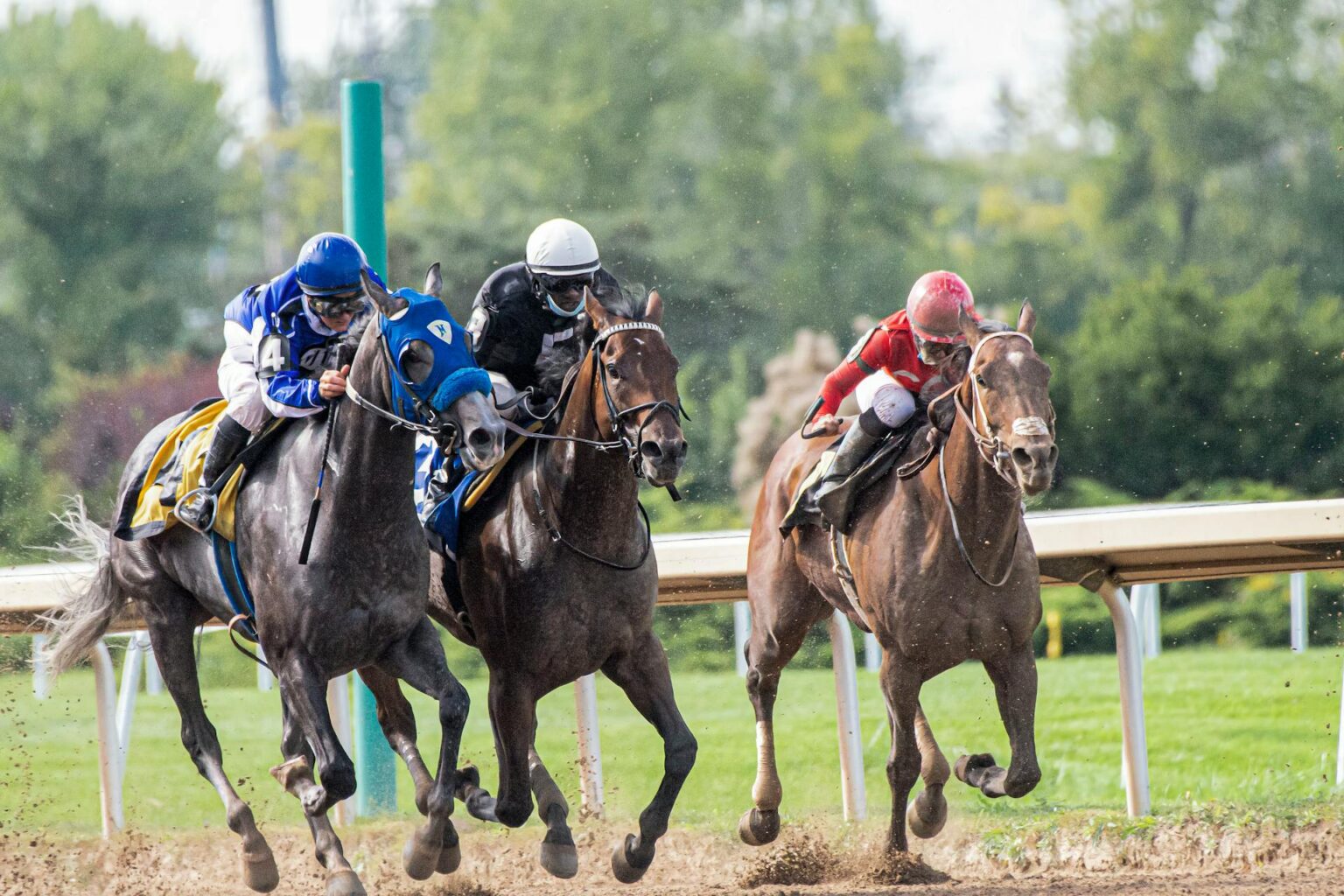
If a horse is found to be unfit to race due to injuries or health issues, races may be postponed or canceled altogether. The sport has stringent veterinary regulations ensuring that only fit horses participate. This commitment to animal welfare, while commendable, can lead to interruptions in race schedules.
Administrative Issues
Permissions, licenses, and organizational challenges can also impact racing. Issues ranging from insufficient entries to disputes over race grants can lead to event cancellations. Managing a racecourse is a complex endeavor that requires coordination among multiple stakeholders. When administrative hurdles arise, the entire schedule can be affected.
Impact on Betting and Economic Activity
The absence of scheduled races has significant implications for the betting industry and the economy surrounding horse racing. Betting shops and online platforms often experience a dramatic drop in activity when races are not on. This decline can result in lost revenue for businesses reliant on the racing calendar.
Betting Patterns
Horse racing not on can shift betting patterns towards other sports or events, as punters seek alternatives to satisfy their wagering needs. This shift can impact the margins for betting companies and raise questions about sustaining interest among bettors who may prefer the excitement of horse racing.
Economic Impact
The economic implications extend beyond betting houses to local economies, particularly in areas with racecourses. These events typically boost tourism, create temporary jobs, and increase sales for local businesses. When races are canceled, the ripple effect touches hotels, restaurants, and shops, leading to financial repercussions felt throughout the community.
The Future of UK Horse Racing
Moving forward, the challenge for UK horse racing will be to adapt to the uncertainties that cause races to be not on. To mitigate these issues, racecourses are exploring solutions such as improved drainage systems, enhancing veterinary protocols, and creating contingency plans for administrative hurdles.
Technological Innovations
Advancements in technology may play a pivotal role in shaping the future of horse racing in the UK. From data analytics that predict performance to live-streaming services allowing fans to engage regardless of physical location, technology can bridge gaps caused by racing cancellations.
Engaging Fans
As horse racing encounters interruptions, engaging fans through social media, virtual events, and educational content can maintain interest and excitement around the sport. The opportunity to bring the essence of horse racing to fans, even during off-times, can help preserve its popularity.
Conclusion
UK horse racing is an essential part of the sporting fabric, and while instances of racing not being on pose challenges, they also present opportunities to innovate and engage with fans in new ways. The future of horse racing will likely depend on its ability to navigate these obstacles and embrace changes in technology and fan engagement strategies. Regardless of cancellations, the passion for horse racing remains strong, and its enthusiasts will continue to seek ways to connect with the sport, including through alternatives like horse betting sites not on GamStop.